Made for ASTM D5185
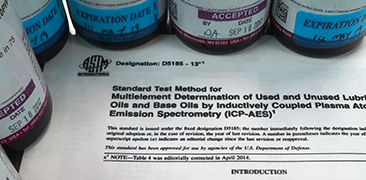
Designed for commercial laboratories that produce spectroscopic elemental results using ASTM D5185, with easily-modified dilution ratios.

Dependable, fully configurable dilution for the oil-analysis industry
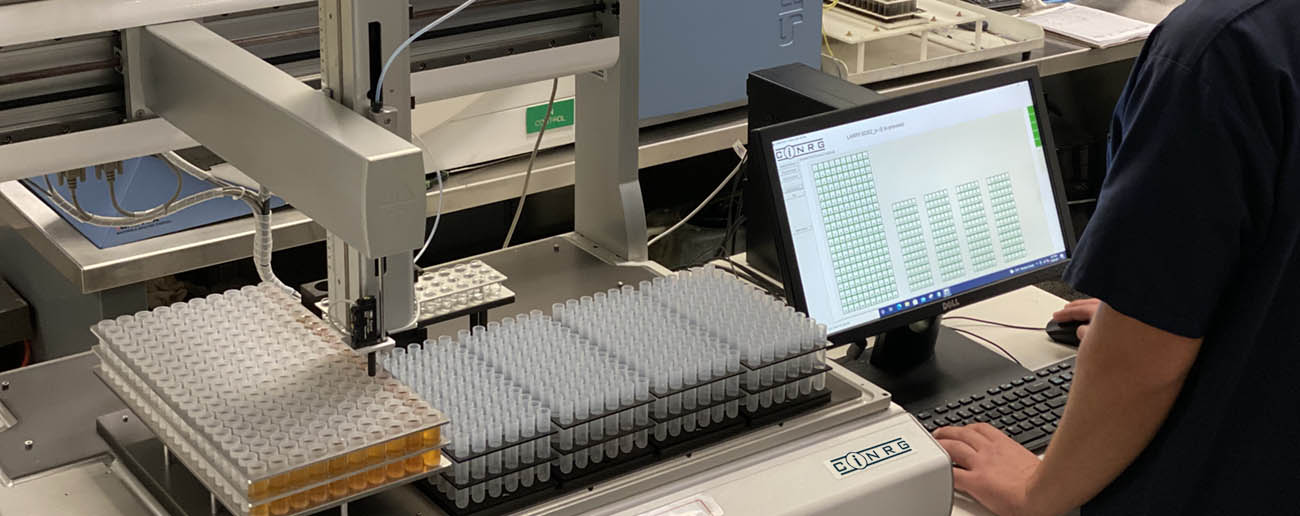
Fully automated sample dilution for ICP-AES analysis (modified ASTM D5185). Custom dilution ratios from 1:3 up to 1:100, configurable for any rack geometry, with negligible carry-over and high-volume throughput.
Designed for commercial laboratories that produce spectroscopic elemental results using ASTM D5185, with easily-modified dilution ratios.
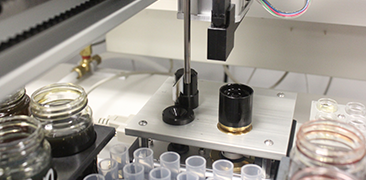
The unique CINRG syringe pump and mechanical washing station produce negligible carry-over — less than 0.1% (under 2 ppm from a 2,000 ppm sample).
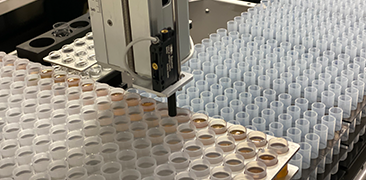
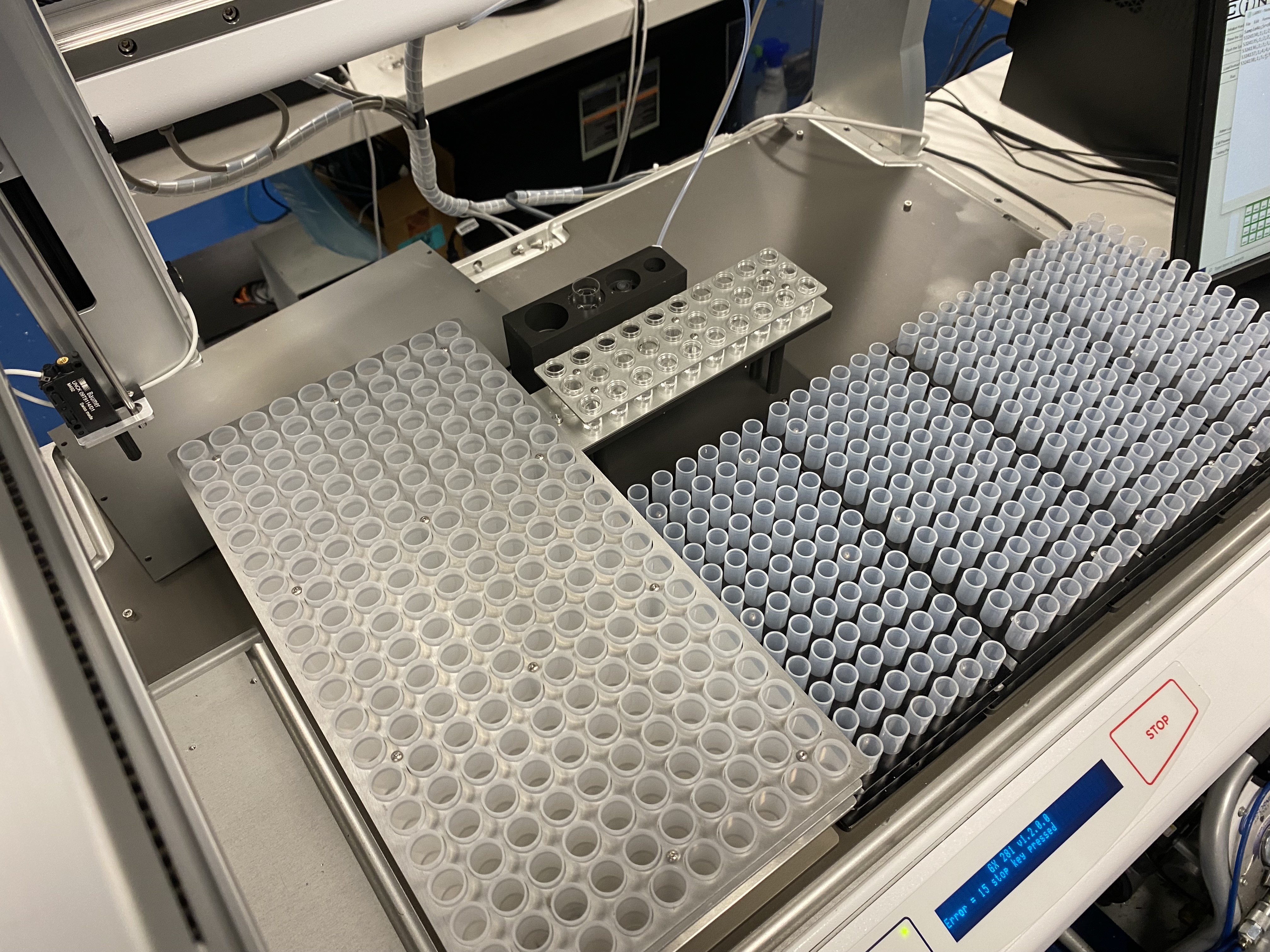
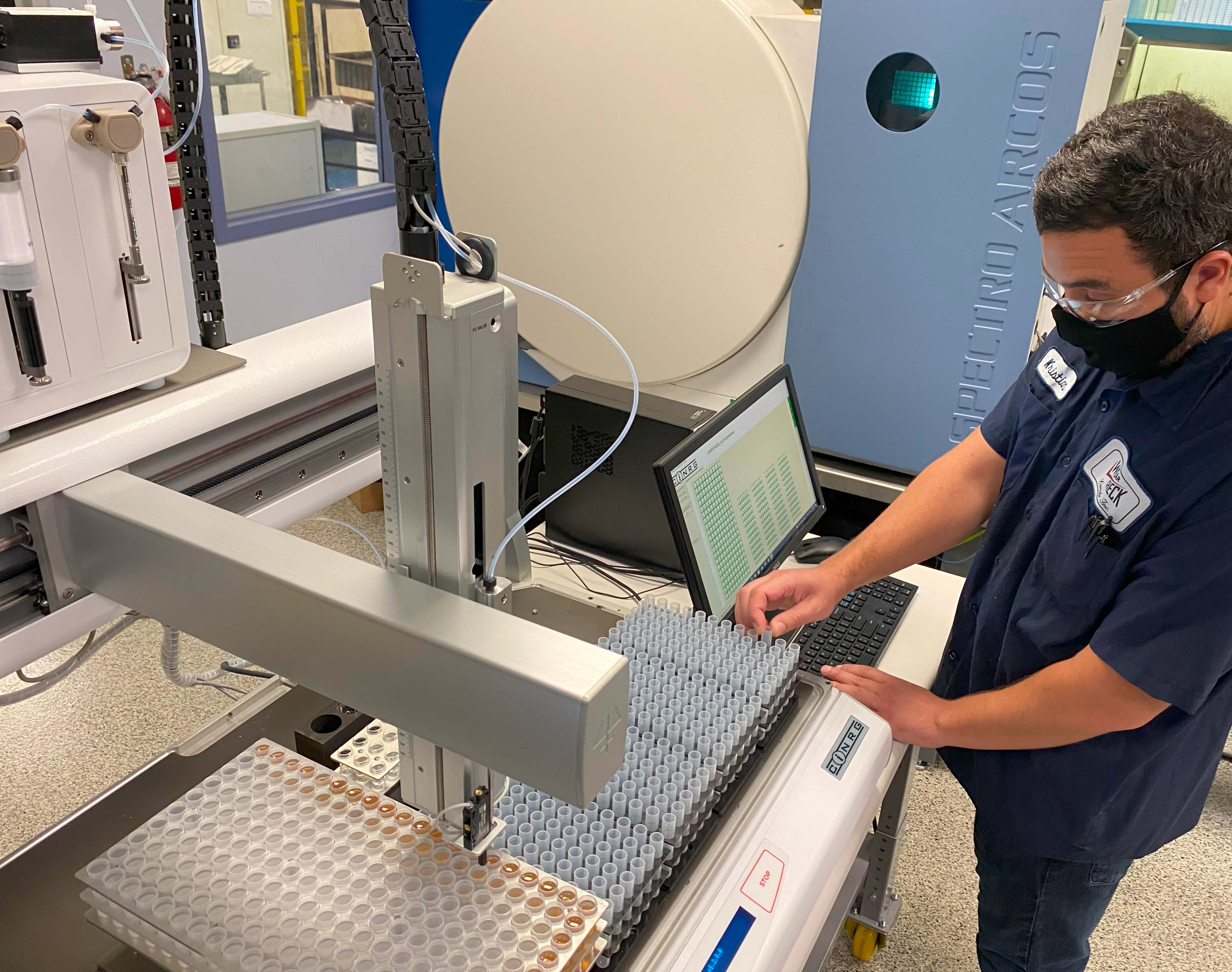
Works with any rack size. Configure up to eight input/output racks of various bottle/tube radii and heights, with options for standards.
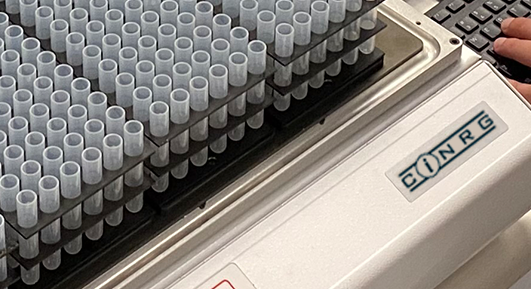
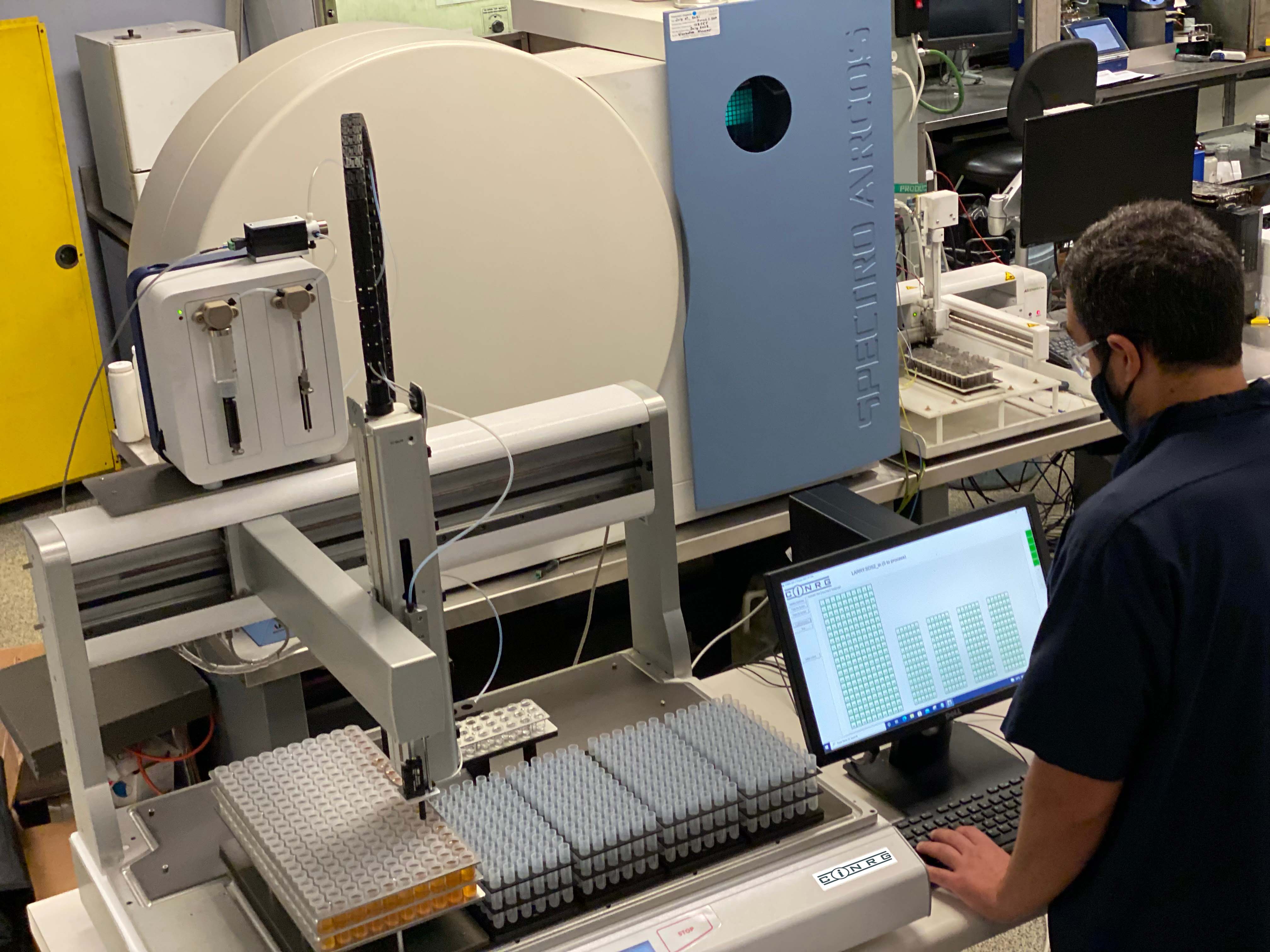
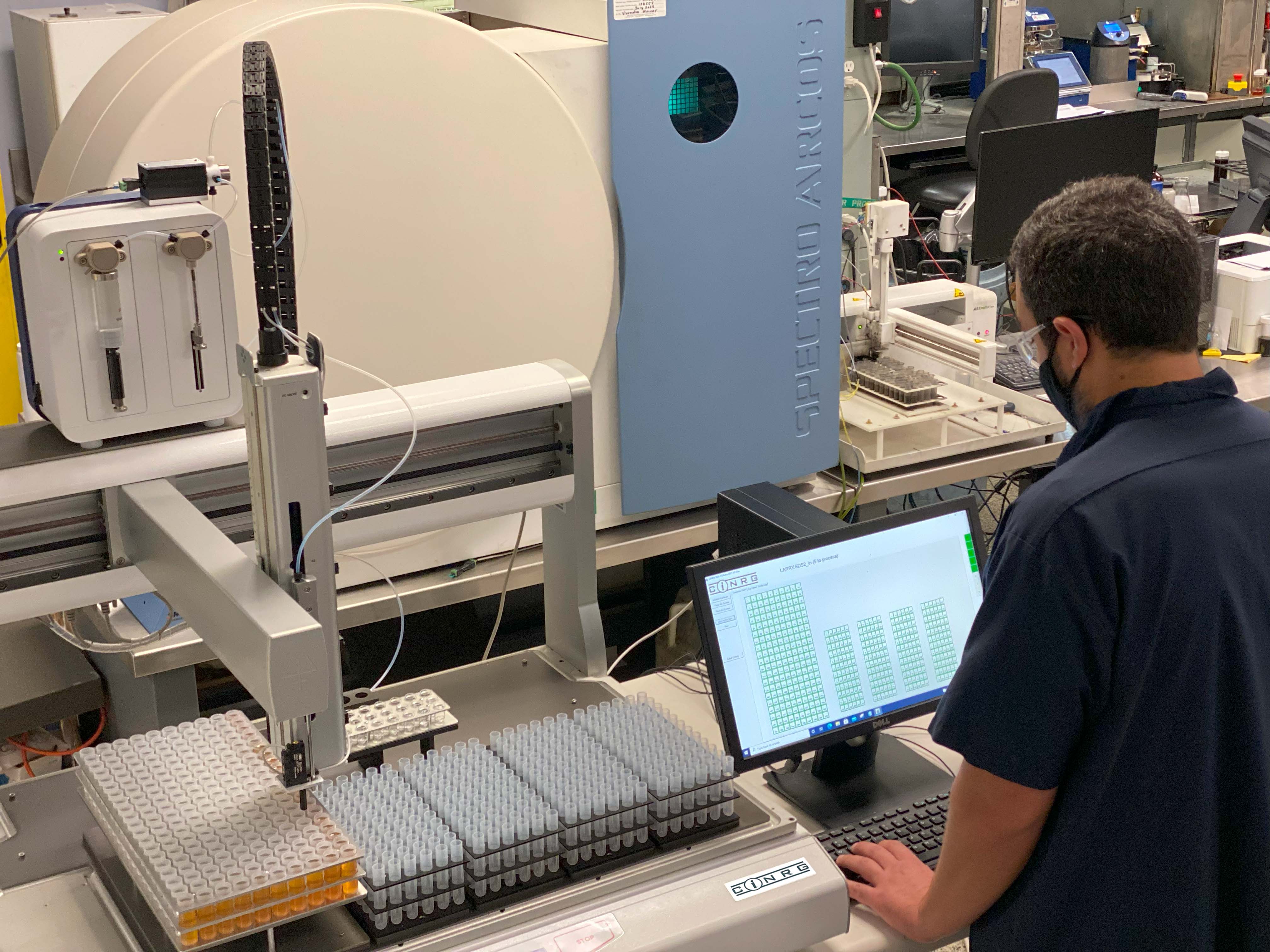
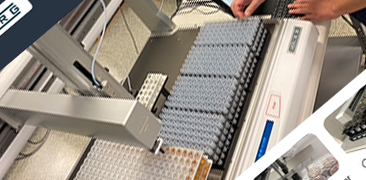
The CS-SDS-2 Automated Sample Dilution system is a fully automated system that meets the requirements of laboratories using ASTM D5185 for spectroscopic elemental analysis and performing sample dilution prior to analysis on an ICP spectrometer.
The system combines components from leading equipment manufacturers with innovative technology and sophisticated software. It has a high degree of flexibility and can be customized to suit local laboratory rack sizes and sample-volume requirements.
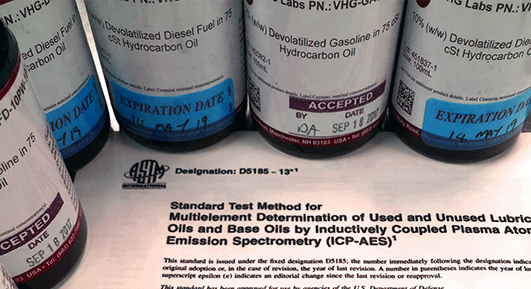
Initially designed for laboratories using ASTM D5185 for the Multielement Determination of Used and Unused Lubricating Oils and Base Oils by ICP-AES, the CS-SDS-2 performs accurate dilutions using custom dilution ratios from 1:3 up to 1:100 (sample:solvent). Suitable for any pre-dilution method utilizing organic solvents and petroleum-based fluids.
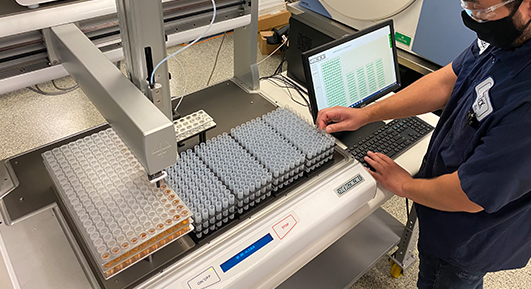
The sample table holds up to eight laboratory racks. Depending on rack dimensions, the system can hold up to seven input racks (laboratory samples) and one output rack (diluted samples), plus a single rack for standards (e.g., internal standards run every 20 samples).
Working at 30 seconds per sample, the system is capable of diluting close to 960 samples in a standard 8-hour laboratory shift.
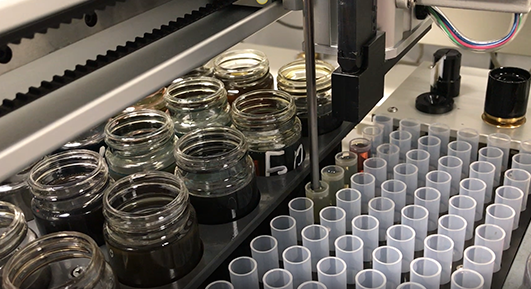
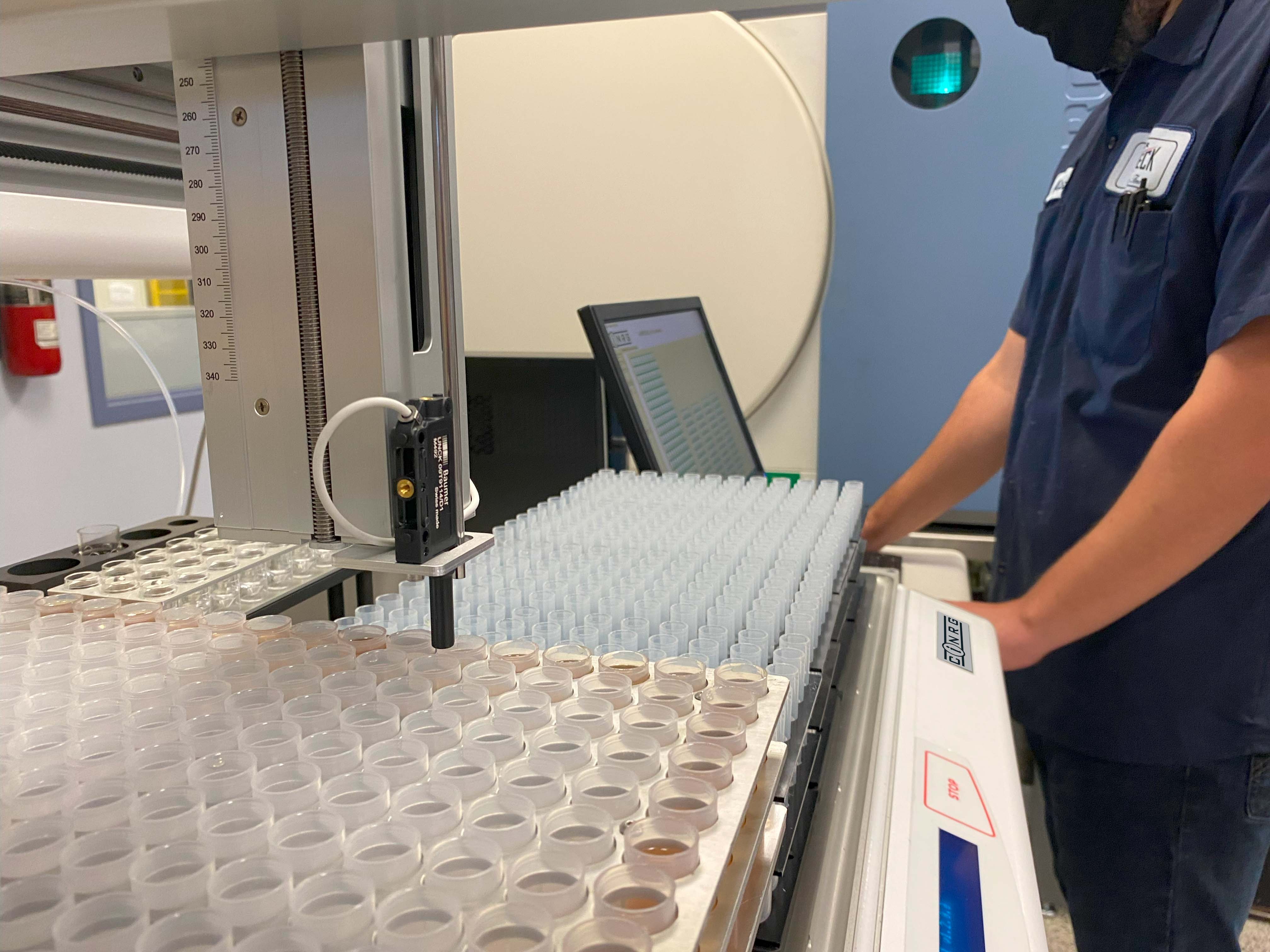
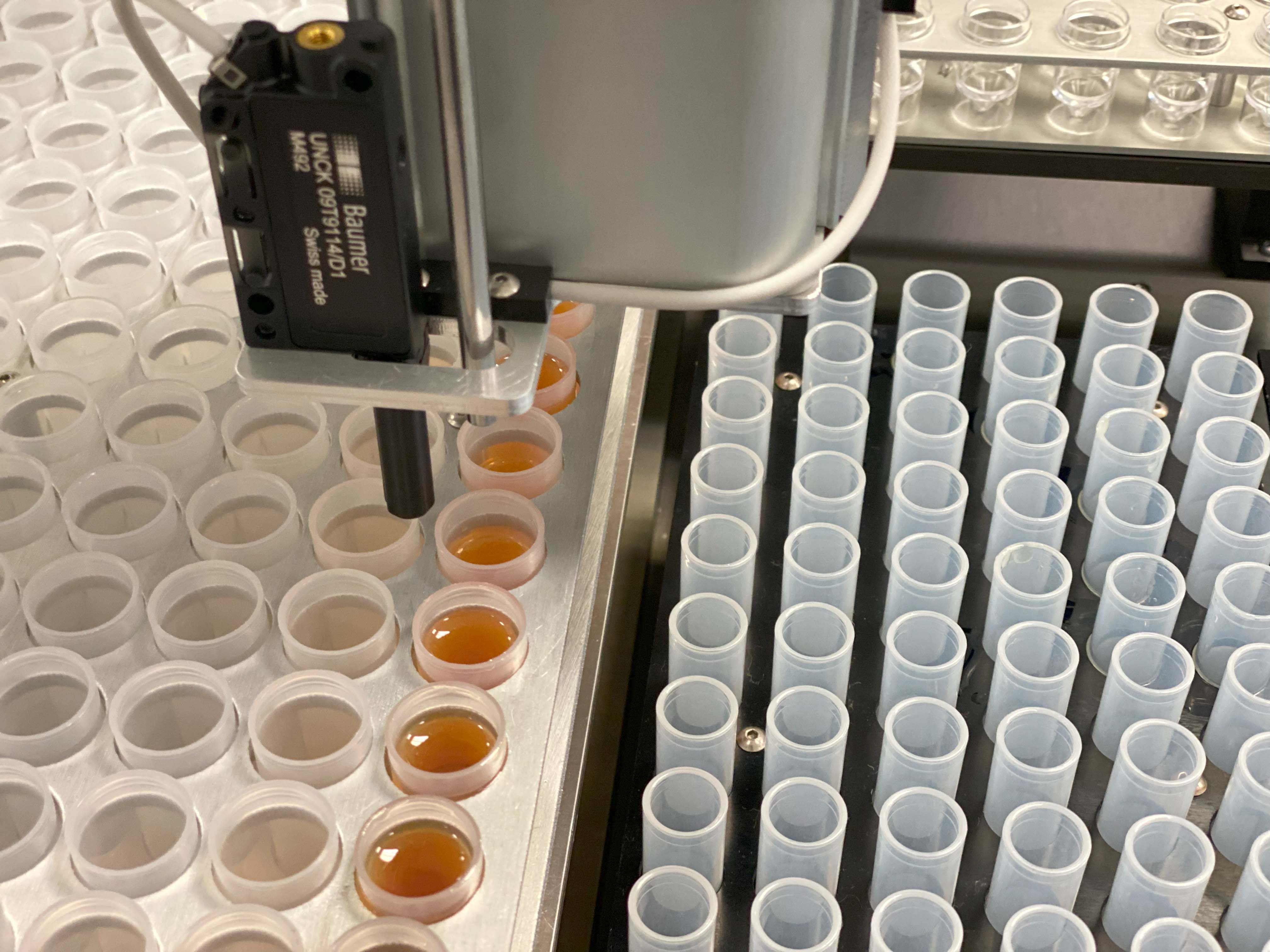
The system minimizes needle contamination by limiting the initial plunge depth into the oil sample and by using a unique piston-driven sample needle. After dispensing the diluted sample, the needle returns to the wash station; both the internal and external needle surfaces are cleaned using solvent and mechanical agitation before the next sample. Carry-over is below 0.1% (less than 2 ppm from a 2,000 ppm standard).
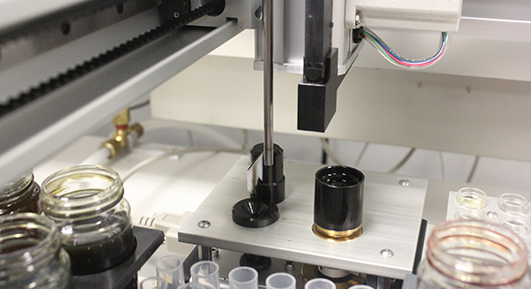
The unique piston-driven sampling needle, paired with a highly accurate solvent-dispensing syringe system and a unique drip-removal feature, delivers superior sample-volume measurement and a high level of precision. The CS-SDS-2 is the most accurate dilution system on the market for used-oil analysis.
With small required sample volumes, low solvent usage, and negligible carry-over, the system is ideal for commercial oil-analysis laboratories.
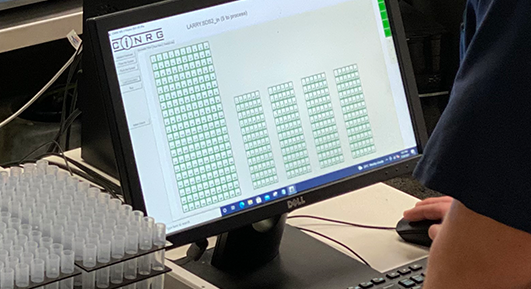
CINRG configures your dilution system to work with your laboratory racks and ICP racks. The system arrives fully configured to maximize unattended throughput. The software exposes all positional data (x, y, z) for up to eight input/output racks plus the wash station.
Software also provides control over every parameter associated with dilution ratios, wash cycles, and the insertion of control standards. The system can be completely reconfigured on-site to accommodate a different rack geometry.
** ASTM D5185 specifies samples be diluted using weight/volume measurements. The vast majority of commercial oil-analysis laboratories use a modified method, designated ASTM D5185m, to prepare samples using volume/volume measurements. A new ASTM method has been proposed for the use of volume/volume measurements in the preparation of standards and samples for oil analysis.
| Sample throughput | 30 sec/sample* 120 samples/hour* |
| Carry-over | < 0.1% (< 2 ppm after a 2,000 ppm sample) |
| Solvent usage | 7.5 ml/sample (4.5 ml dilution + 3.0 ml wash)* |
| Sample batch size | Customizable. Up to eight (8) input/output racks with different dimensions. An output rack can also be used for standards. |
* Based on a 1:10 dilution using 0.5 ml of sample.
| Model | Gilson 4220 Verity Pump |
| Syringes / valves | Dual syringe / valve with t-piece (1 × 25 ml, 1 × 1.0 ml) |
| Model | Baumer UNKC 09 |
| Accuracy | ±0.1 mm from 3 mm to 150 mm |
| Dimensions | 35″(W) × 38″(H) × 30″(D) (890 mm × 965 mm × 762 mm) |
| Weight | 150 lbs (68 kg) |
| Voltage requirement | 100–120 VAC / 230–240 VAC selectable, 50/60 Hz |
| Input current | 5.0 A @ 100–120 V · 2.5 A @ 230–240 V |
Common questions about the automated sample dilution system for ICP-AES preparation.
No. While modified ASTM D5185 (D5185m) is the primary design driver, the CS-SDS-2 is suitable for any pre-dilution workflow that uses organic solvents with petroleum-based fluids — including ICP-MS sample preparation, certain ASTM D2622 sulphur-method workflows, and other elemental techniques that benefit from accurate volume/volume dilution. The system handles dilution ratios from 1:3 up to 1:100 and can be configured per-sample in the batch file.
Customizable from 1:3 up to 1:100 (sample:solvent). Each sample row in the batch file specifies its own dilution ratio. The Gilson 4220 Verity dual-syringe pump (1 × 25 mL plus 1 × 1.0 mL) is the metering element, paired with a Baumer UNKC 09 ultrasonic level sensor (±0.1 mm from 3–150 mm) that confirms each transfer.
Three engineered controls. (1) A piston-driven sampling needle that limits initial plunge depth into the source well, minimizing wetted external surface. (2) An integrated wash station that scrubs both internal and external needle surfaces with solvent plus mechanical agitation between samples. (3) A drip-removal feature that prevents fluid bridging between source and target wells. Verified carry-over is below 0.1% — equivalent to less than 2 ppm following a 2,000 ppm standard.
Yes. Up to eight input/output rack types can be defined in software with their own (x, y, z) positions for every sample well. Wash-station coordinates, dilution ratios, internal-standard insertion frequency, and wash cycles are all parameter-driven. CINRG configures the system around your laboratory and ICP rack geometry at build time, and on-site reconfiguration to a different rack format is supported in the field.
30 seconds per sample — 120 samples per hour, up to about 960 samples in a standard 8-hour shift. The sample table accommodates up to eight laboratory racks; a typical configuration is seven input racks plus one output rack of diluted samples, with one rack reserved for internal-standard insertion every N samples.
About 7.5 mL per sample at default settings — 4.5 mL for the dilution itself plus 3.0 mL for the wash cycle. Higher dilution ratios use proportionally more solvent.
In the great majority of cases, yes. The CS-SDS-2 is designed to deliver the diluted sample directly into the same rack format your ICP autosampler reads — eliminating an intermediate transfer step. CINRG configures both the input racks (your incoming oil samples) and the output racks (your ICP racks) at install time. Contact CINRG with your ICP make/model for a configuration quote.
35″ W × 38″ H × 30″ D (89×97×76 cm); 150 lb (68 kg). Voltage 100–120 / 230–240 VAC selectable, 50/60 Hz; 5.0 A @ 120 V or 2.5 A @ 230 V. The system fits a standard laboratory bench with adequate ventilation for organic solvent handling.
Tell us about your throughput, your test methods, and your facility. A CINRG engineer will help you scope the right configuration — and put you in touch with your nearest dealer.