ASTM D7279-14 Ready
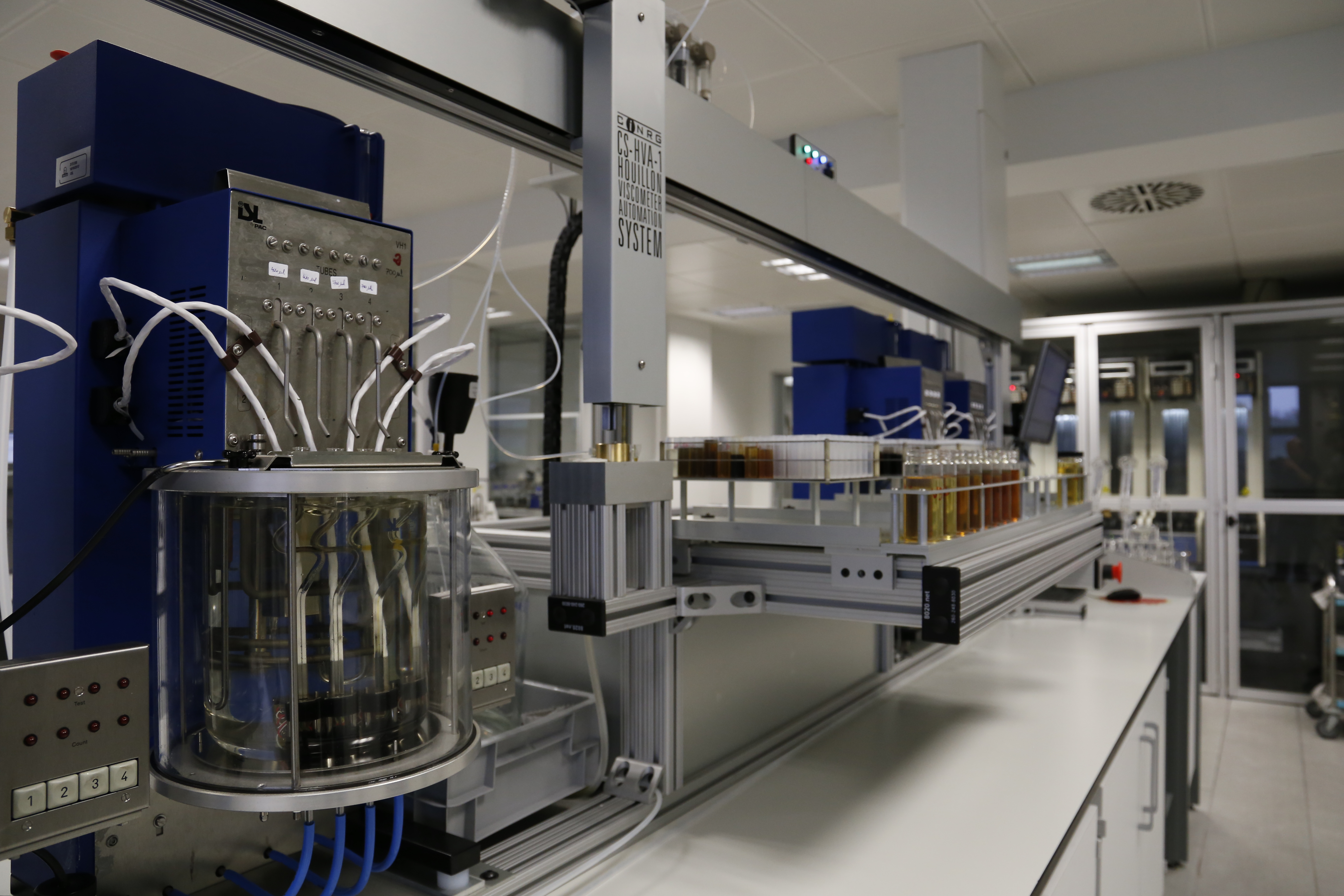
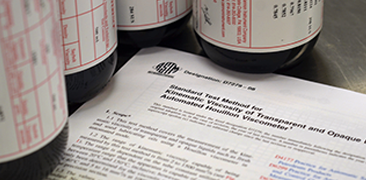
The system meets the requirements of ASTM D7279-14, specific to viscosity measurement using automated Houillon viscometers for rapid analysis.

The world's most accurate fully automated robotic system for ASTM D7279-14
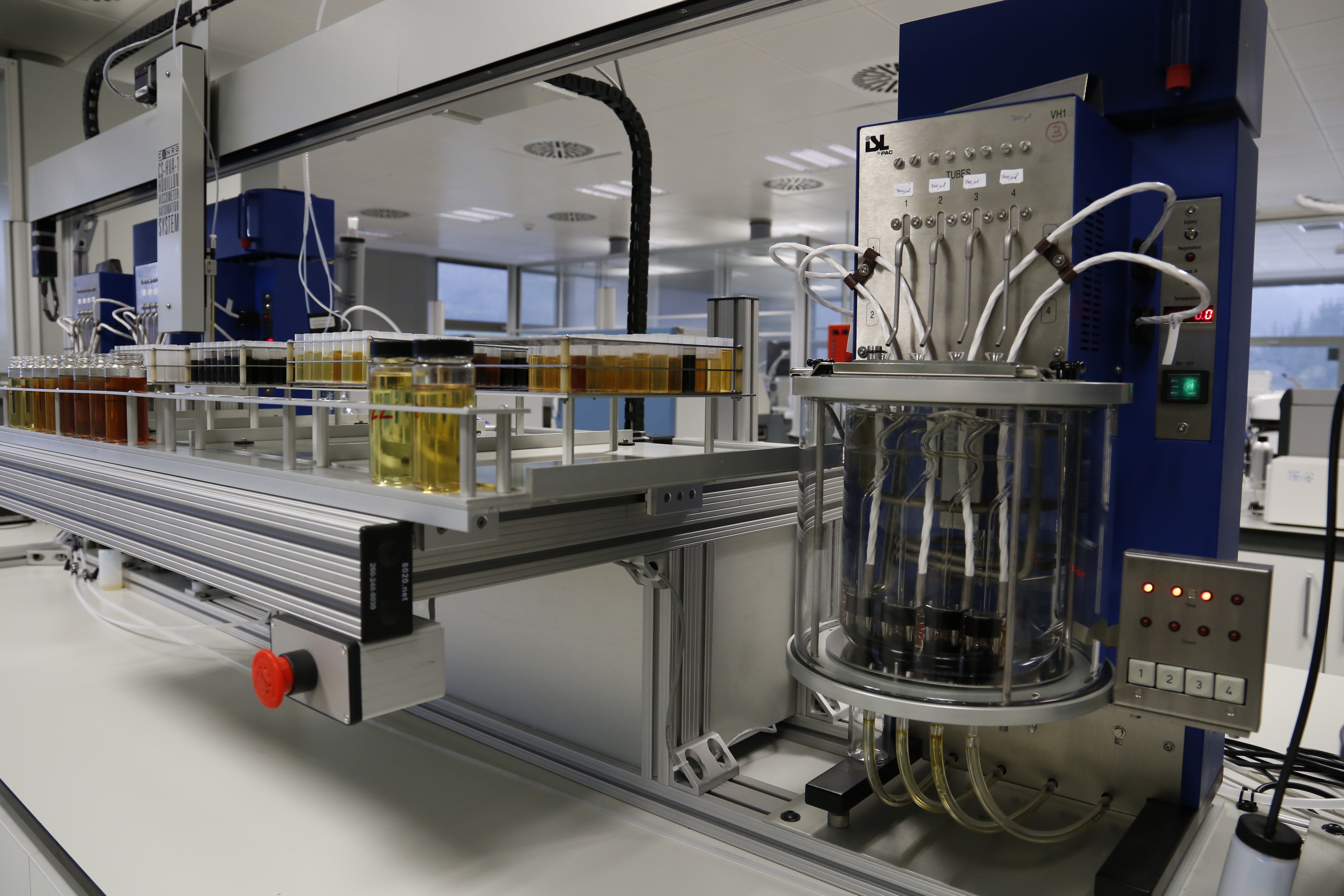
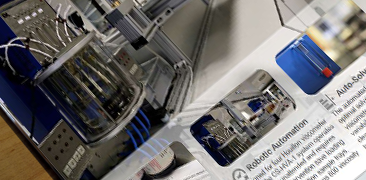
Robotic automation for two (CS-HVA-2) or four (CS-HVA-4) ISL/PAC Houillon viscometer baths — up to 1,200 viscosity measurements per 8-hour shift, completely unattended overnight, with auto-solvent filling and a built-in idle timeout.
The system meets the requirements of ASTM D7279-14, specific to viscosity measurement using automated Houillon viscometers for rapid analysis.
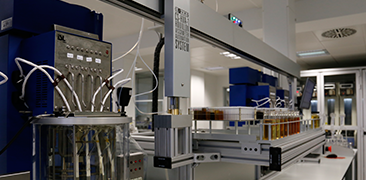
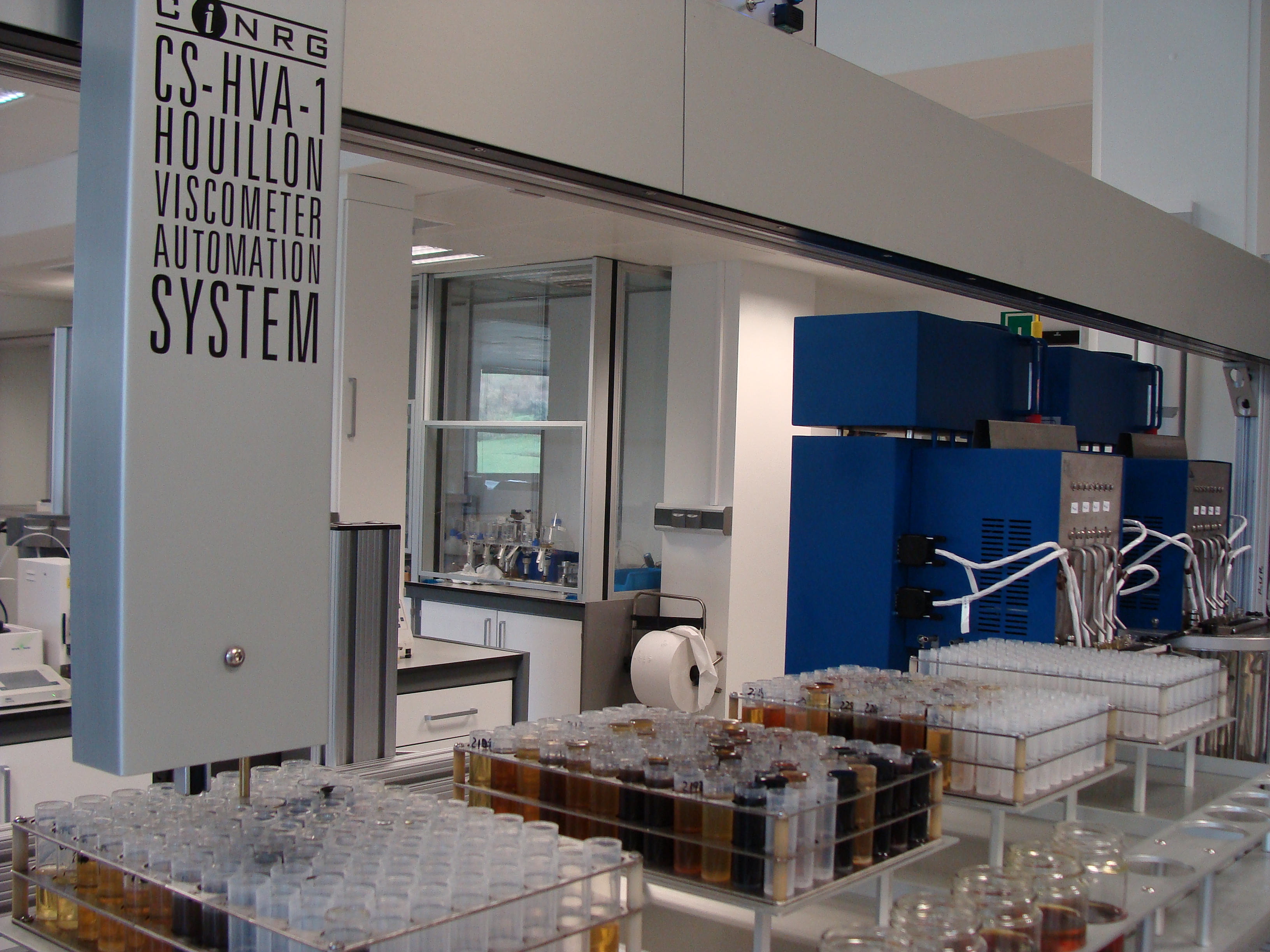
Designed for two or four Houillon viscometer baths. Operates completely unattended — just load the four 200-position sample trays. Performs 800 viscosity tests per 8-hour shift.
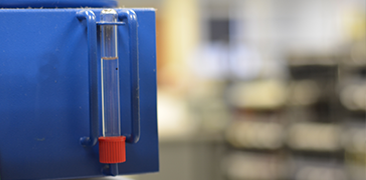
Maintains optimal solvent levels in all viscometer baths to eliminate variability of solvent pressure for cleaning cycles and minimize labor.
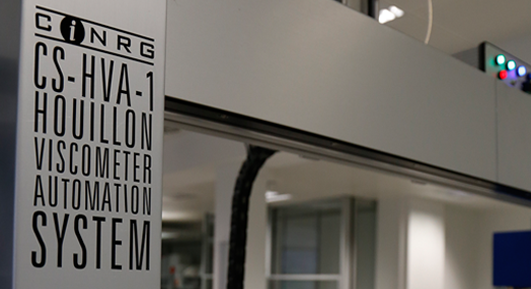
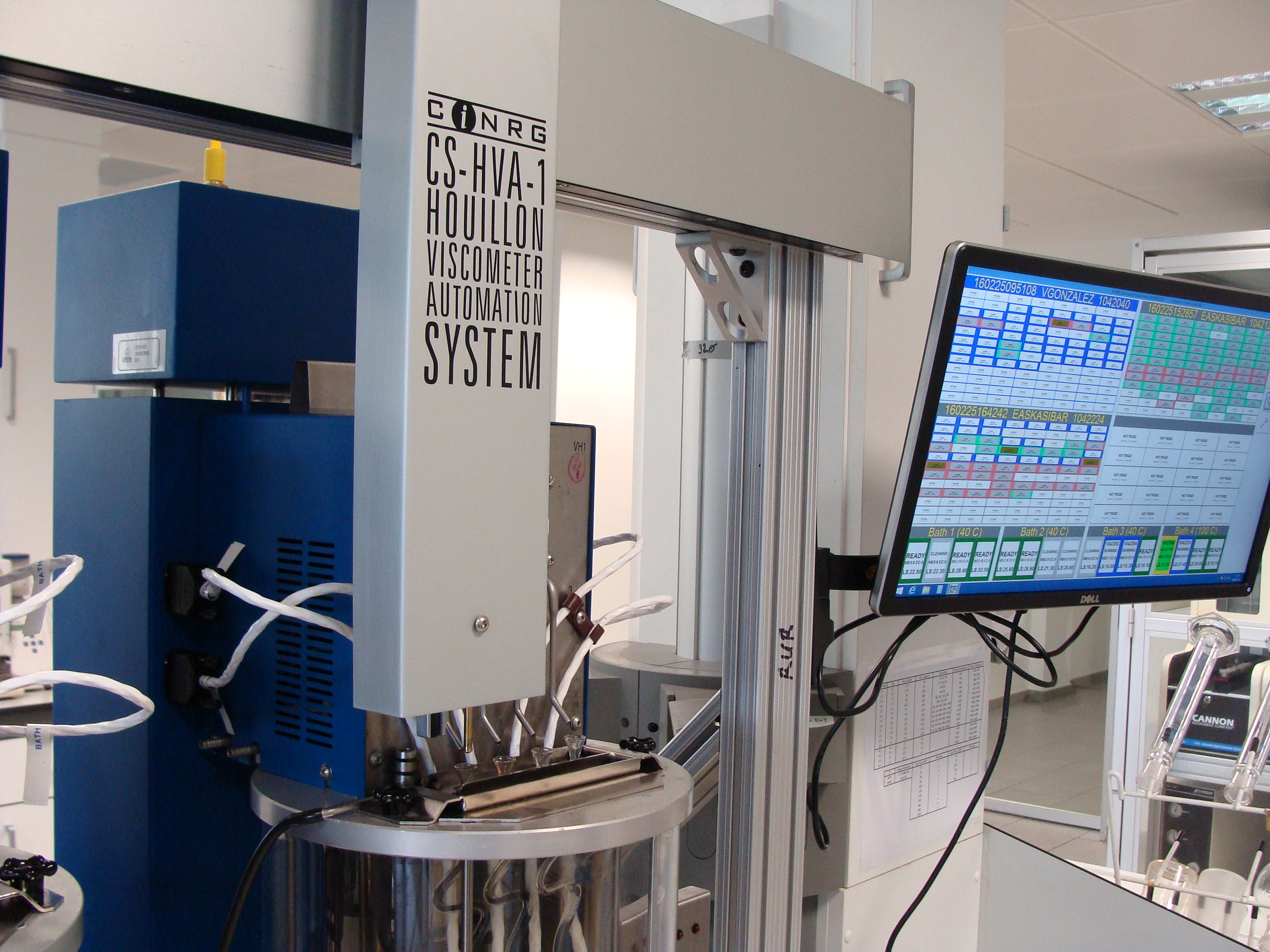
The CS-HVA Houillon Viscometer Automation system is a fully automated system that meets the requirements of ASTM D7279-14, specific to viscosity measurement using automated Houillon viscometers for rapid analysis.
The system combines components from leading equipment manufacturers with innovative technology and sophisticated software developed by WearCheck for use in their oil-analysis laboratory. Highly flexible — can be customized to suit local laboratory processing requirements.
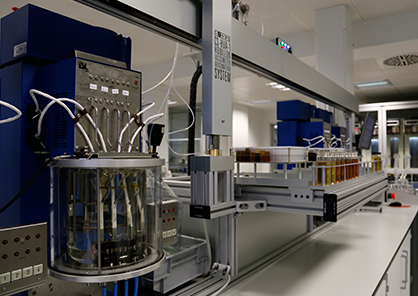
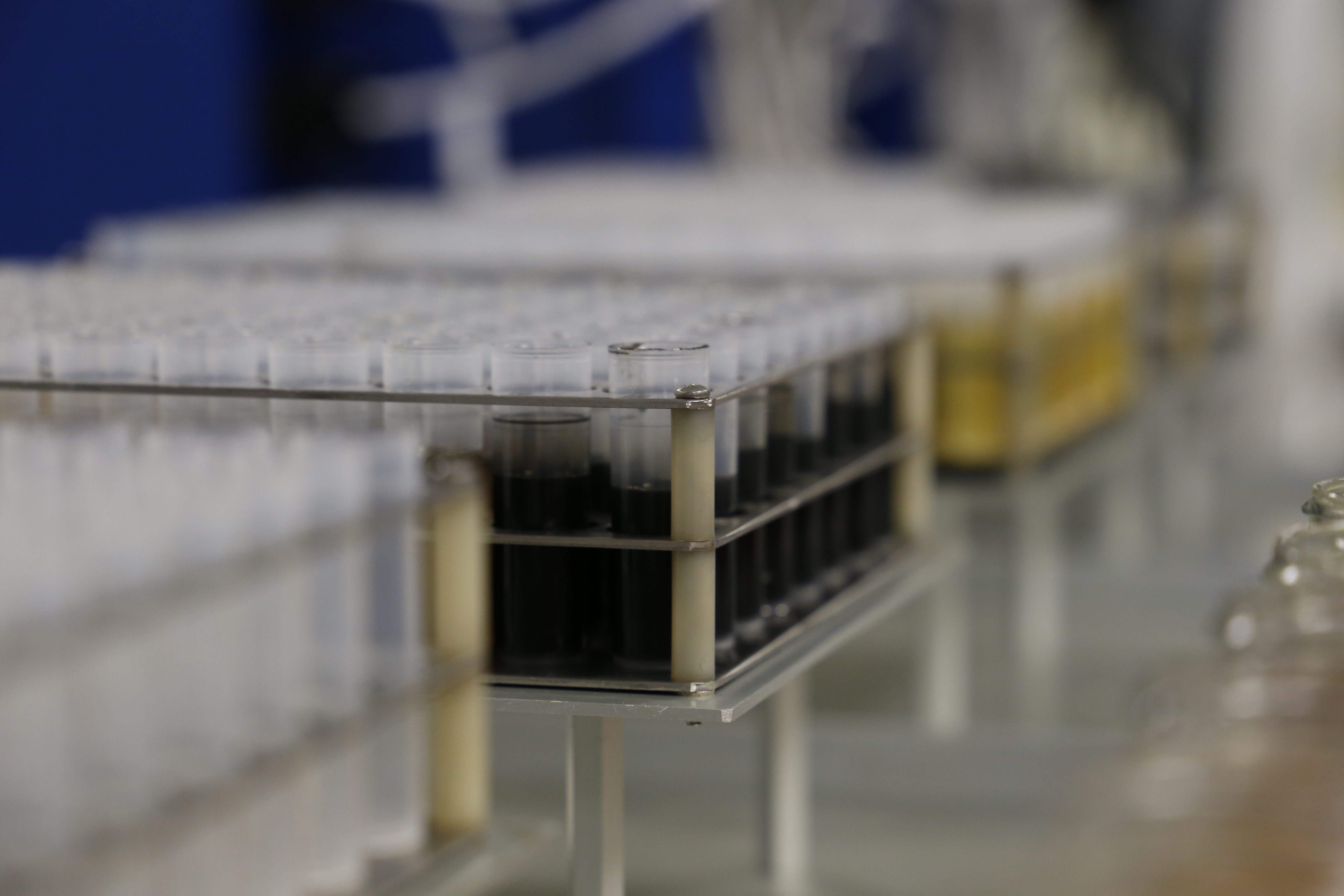
The system can be loaded with standard laboratory racks (rack geometry and positioning specified in the software setup) or 100-position sample trays. Using the sample trays, up to 400 samples can be loaded at one time. A complete sample-loading cycle (including cleaning and drying of the syringe needle) takes only 40 seconds, allowing the CS-HVA to process 90 viscosity measurements per hour. Solvent requirements are low — just 3.5 ml per sample (in addition to solvent used to clean the capillary tubes).
The system includes a liquid-level measuring system to measure the oil-sample level in sample vials, sample bottles, and the viscometer capillary tube to eliminate mis-sampling errors.
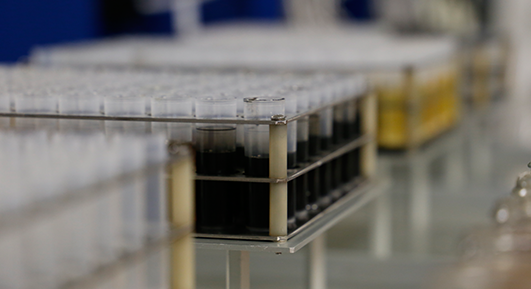
The sample table holds up to four laboratory racks or four laboratory trays (mixed if needed). A typical lab rack holds 20 sample bottles; a sample tray holds 100 sample vials. So system capacity ranges between 4 × 20 = 80 samples and 4 × 100 = 400 samples per load.
Average run time for 400 samples is 4½ hours. The system runs completely unattended overnight and includes an idle-timeout to automatically shut off the vacuum pumps. Capable of close to 1,200 viscosity measurements in a standard 8-hour laboratory shift.
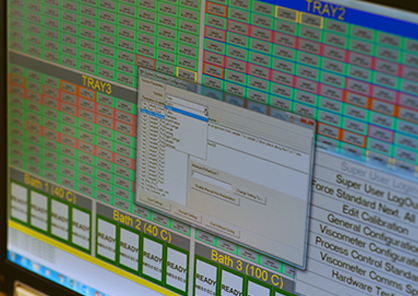
A batch file containing both sample information and processing parameters drives the application software (importable from CSV). Sample information includes ID, tray position, processing priority, and (optionally) an expected viscosity for the sample.
Process parameters control how often process-control standards run and the upper/lower thresholds for each. Results can be held until the standard passes or released immediately. Samples can be set to automatically retest if the time measurement is out of threshold.
Syringe sample and solvent aspiration / dispensing rates and cleaning volumes are configurable. The software also provides an idle-time setting to shut down the vacuum pumps automatically (overnight, unattended).
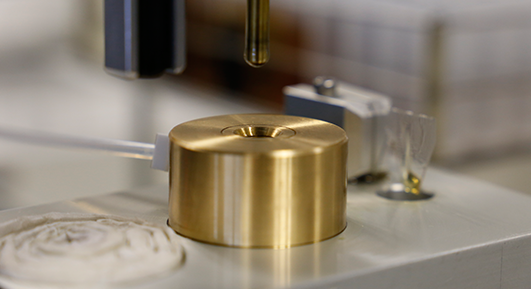
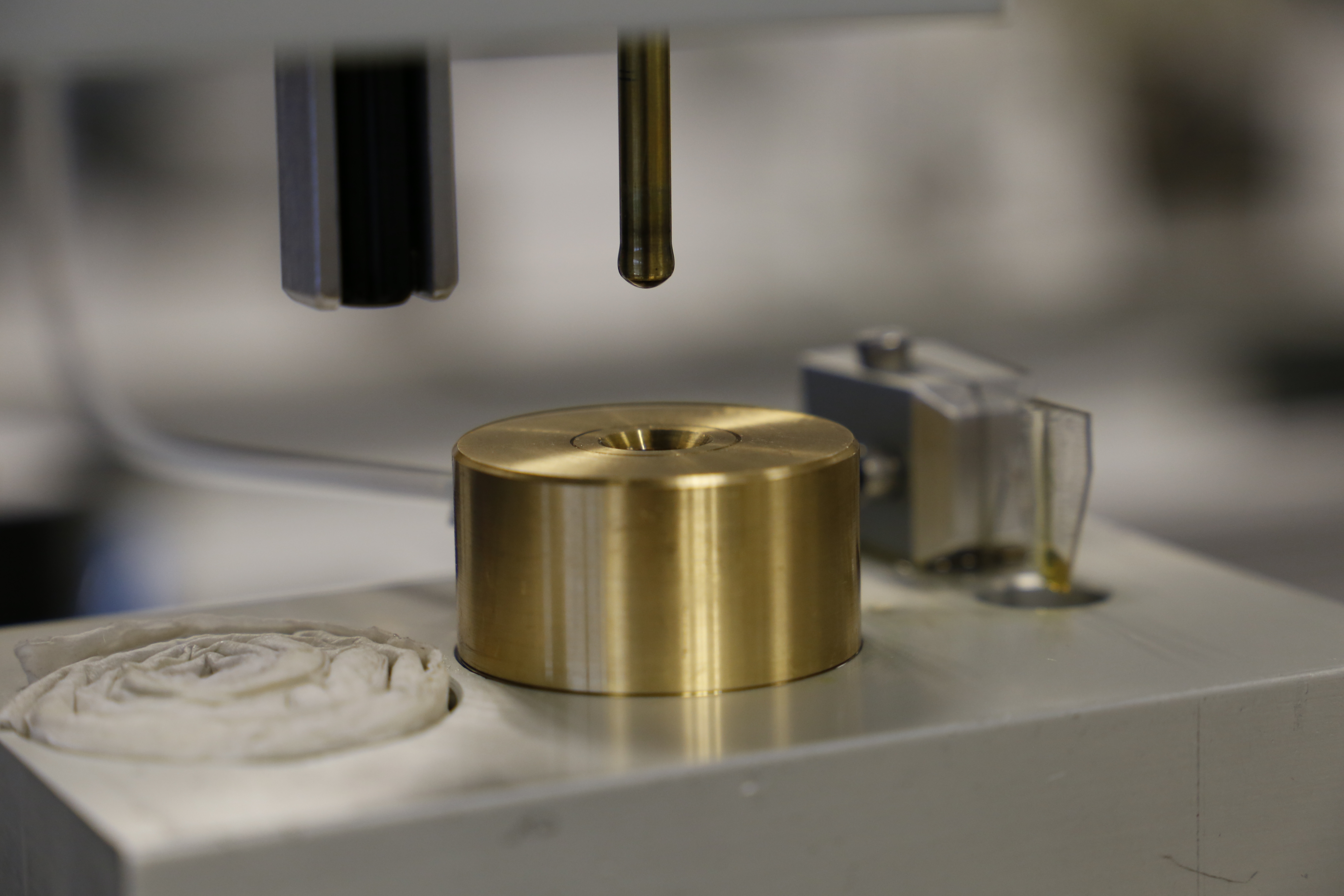
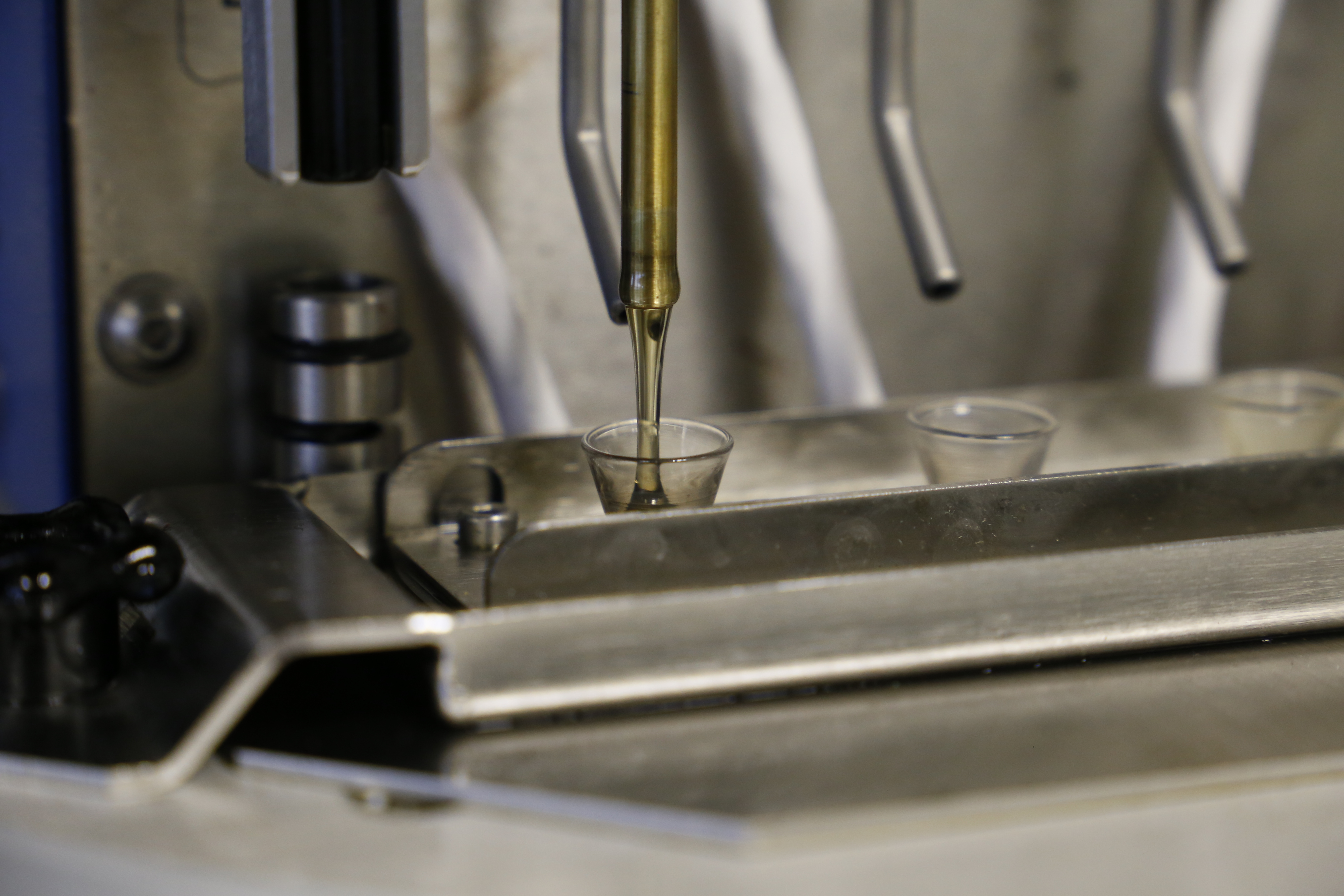
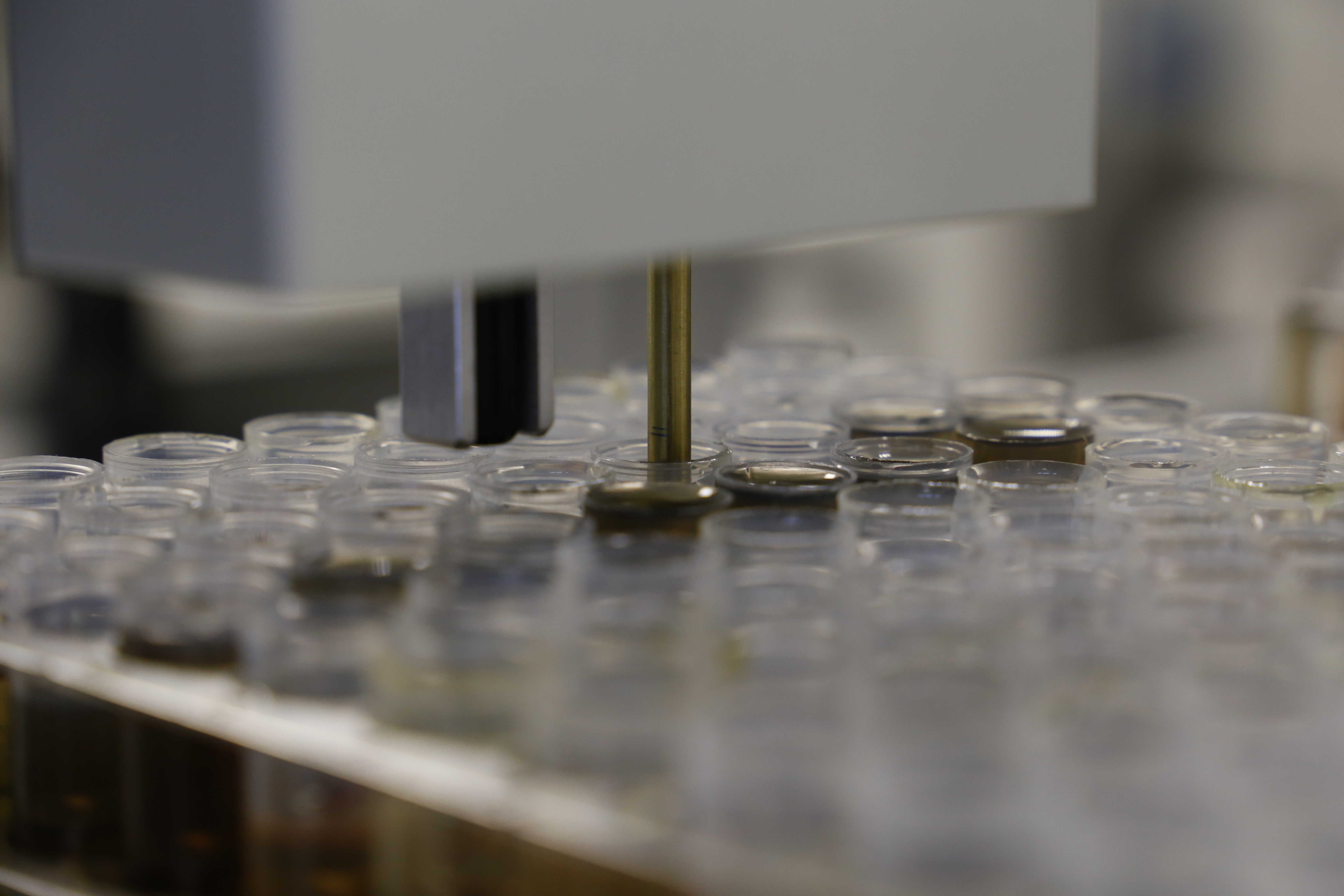
The system minimizes needle contamination by limiting the initial plunge depth into the oil sample and by moving downwards at the same rate as the sample uptake during sampling. After dispensing the sample into the viscometer capillary tube, the needle returns to the wash station; both internal and external needle surfaces are cleaned with solvent, and the needle tip is dried before the next sample.
| Sample throughput | 40 sec/sample (8 hrs for 4 trays of 200 samples = 800 samples)* 100 samples per hour* |
| Solvent usage | 3.5 ml/sample** |
| Sample batch size | 4 × 200 samples (200-position trays, up to 4 trays). Standard laboratory racks can be defined in software and used directly on the sample table or mixed with trays (typically 20 samples per laboratory rack). |
* Throughput rate is directly dependent on the settings of the processing parameters; specification stated is using default parameters.
** Solvent usage is for syringe-needle washing. Additional solvent usage for cleaning the capillary tube as standard for the Houillon viscometer.
| X-Drive | Zaber linear slide with integrated stepper motor, encoder, and controller — belt-driven with 3,000 mm travel |
| Y-Drive | Zaber linear slide with integrated stepper motor, encoder, and controller — lead-screw driven with 250 mm or 500 mm travel (depending on sample-table width) |
| Z-Drive | Zaber linear slide with integrated stepper motor, encoder, and controller — belt-driven with 295 mm travel |
| Supporting frame | 80/20 aluminum extrusions and standard 80/20 fasteners and brackets |
| Sample table | Holds 4 × 100-sample trays or 4 standard laboratory racks; integrated standards rack, needle wash station, and electronic enclosure |
| Communication interface | B & B Electronics USB-to-4-port Serial interface, linked to custom EPROM for viscometer baths (not required for newer VH1/VH2 models). Single USB cable to the PC. |
| Model | Gilson 402 Dilutor |
| Number of syringes / valves | Dual syringe / dual valve |
| Model | Baumer UNKC 09 |
| Accuracy | ±0.1 mm from 3 mm to 150 mm |
| Dimensions | CS-HVA-2: 84″(W) × 49″(H) × 38″(D) (214 cm × 124 cm × 96 cm) CS-HVA-4: 126″(W) × 49″(H) × 38″(D) (320 cm × 124 cm × 96 cm) |
| Weight | CS-HVA-2: 300 lbs (136 kg) CS-HVA-4: 500 lbs (226 kg) |
| Voltage requirement | 100–120–230/240 VAC selectable, 50/60 Hz |
| Input current | 3.5 A @ 100–230 V |
Common questions about the robotic Houillon viscometer automation system (CS-HVA-2 / CS-HVA-4).
The decision is throughput-driven. The 2-bath CS-HVA-2 delivers up to ~600 viscosity measurements per 8-hour shift; the 4-bath CS-HVA-4 doubles that to ~1,200 measurements per shift. If your daily volume is below 400 samples, the CS-HVA-2 has plenty of headroom. If you regularly run 600+ samples, you’ll want the CS-HVA-4 to clear the queue in a single overnight run. Both run unattended overnight; the 4-bath unit just has more parallel capacity.
The CS-HVA is engineered around ISL/PAC Houillon viscometer baths and is fully compatible with current ISL/PAC models. Older VH1/VH2 generations work with a B&B Electronics USB-to-serial interface and a custom EPROM; newer baths connect directly. CINRG configures the integration at install time based on the bath revisions in your lab.
Each sample in the batch file carries an expected viscosity at 40°C and (if applicable) at 100°C. The CS-HVA software uses fuzzy-logic to assign the sample to the correct viscometer tube factor. If the right-factor tube is busy, the system queues the sample. If no suitable tube is currently in service, the sample is skipped temporarily and retried later when a matching tube becomes free. This eliminates the operator-error mode of manually selecting the wrong tube and producing an out-of-bounds time.
Each capillary tube can be configured with up to 2 process-control standards (PCS); the four-bath system supports up to 16 PCS in total. If a PCS measurement falls outside the configured upper or lower threshold, the tube is automatically locked out of service, samples already run on that tube are quarantined to a fail directory for review, and the tube cannot return to service until a fresh PCS passes. The remaining tubes continue running unaffected.
Yes. Bath temperature is set per-bath; a typical 4-bath configuration runs two baths at 40°C and two at 100°C, producing both KV40 and KV100 in the same overnight run. Samples carrying both expected-viscosity fields in the batch file are routed automatically to a tube of each temperature. KV100 accuracy benefits significantly from multi-point calibration, which the CS-HVA software supports natively.
Negligible. Three controls keep carry-over below the limit of detection: (1) the syringe penetrates only as far into the oil as needed and tracks the falling level during uptake, minimizing wetted surface; (2) after dispensing, the needle returns to a wash station with six 45° solvent jets that clean both internal and external surfaces, plus a drying pad; (3) automated solvent filling holds the cleaning reservoirs at constant level for reproducible rinse pressure cycle to cycle.
Yes — that’s a primary design goal. Solvent reservoirs are auto-filled, samples queue up to 800 per load (4 trays of 200), and an idle-timeout shuts down the vacuum pumps when the queue is empty. A typical 400-sample run completes in about 4½ hours, leaving the system idle and the lab ready for the next day’s pour.
CINRG-side validation runs against Conostan certified standards have produced internal-standard sample populations of n=196 with measured KV40 and KV100 values consistently inside the ±2% certified bounds. Internal-standard distributions tightened markedly after CS-HVA installation in customer labs compared to the prior manual workflow. The validation data set is available on request from CINRG and forms the basis for customer-side ISO 17025 method validation.
Tell us about your throughput, your test methods, and your facility. A CINRG engineer will help you scope the right configuration — and put you in touch with your nearest dealer.